

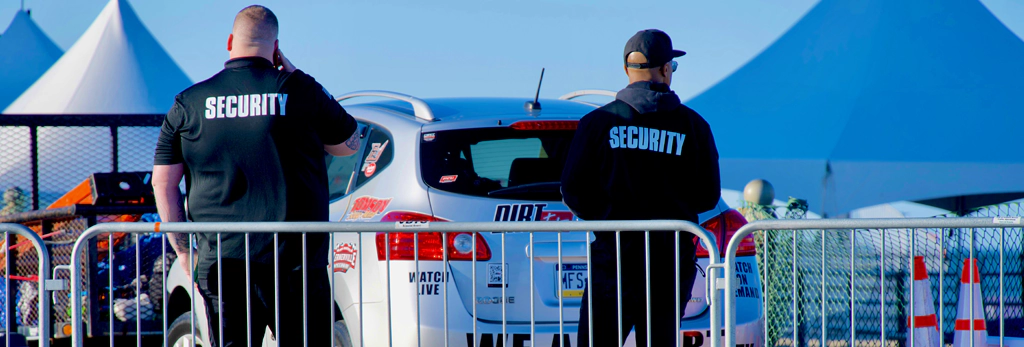
Guests rarely notice good event security, and that is the point. The evening runs on time, queues move, and people feel looked after. Behind that calm sits a plan made weeks earlier: who guards which gate, how the radios are used, what happens if the weather turns. Whether you are managing a small gathering or a massive festival, executing these seven core steps will help you build a foolproof security framework.
7 Important Steps for Effective Event Security
Planning a successful event requires a comprehensive approach to safety. Each step is connected to the next. A thorough risk assessment shapes the plan, the plan decides where people stand, and the review at the end improves the next event. The detail changes with the size of the event, but the sequence stays the same.
Step 1: Comprehensive Risk Assessment
Start with a walk around the venue, alongside the security provider and the event organiser together. Note where guests will enter and leave, where queues will form, where the bars or food stalls sit and which areas are out of sight. A dim car park, a narrow stairway or a back gate close to the stage are the kind of details that show up on a site visit but not on a floor plan. Then think about the crowd. A children’s fair, a corporate dinner and a late-night gig bring different ages, arrival times and expectations. Add the practical items: permits, council rules, parking, weather, public transport and the time the last train or bus leaves.
Step 2: Customised Security Plan Design
The written plan turns those notes into decisions. It says how many guards the event needs, which hours they work, where each person stands and what they are responsible for. It names one main contact for the organiser and one for the security team. It includes a floor plan with guard positions marked, a timeline from bump-in to pack-down and a short list of who calls whom. The security provider utilises digital workforce management tools to push real-time updates directly to guards’ mobile devices or radios. This cloud-based integration ensures that shift schedules, post rotations, and sudden deployment adjustments are communicated instantly across the entire team. A late headline act or an extra bar can change where guards need to stand, so the plan should be easy to adjust.
Step 3: Access Control and Perimeter Definition
Decide how guests will enter before they arrive. Fencing or barriers mark the edge of the site, and signs point people to the right gate. Staff scan tickets or check wristbands at the entry, and bag checks happen where the plan calls for them. Performers, suppliers and staff usually need their own entrance, ideally with a guard who knows the pass system, so deliveries do not mix with a queue of guests. Coloured wristbands or lanyards help guards see at a glance who may go backstage, into the kitchen or the storage area. A guard at the gate who greets people and says which way to go sets a friendly tone, and a smooth first five minutes affects how the whole event feels. Having a few extra staff at the gates in the first half hour, when most guests arrive, keeps lines short.
Step 4: Strategic Personnel Deployment
Numbers matter, and so does placement. Static guards hold fixed posts at entrances, stages, bars and VIP areas. Roaming guards walk the site in pairs and notice things early, like a crowded corner or a blocked exit. A supervisor stays near the control point and makes the calls. Staffing usually peaks when doors open, during the headline act and at closing time, so the roster needs extra people at those moments. The security supervisor briefs the entire team before guests arrive and conducts a final walkthrough of the venue. Breaks should be scheduled, since a guard who has had a drink and a sit-down is better at noticing small things in hour six than one who has been standing since the start. Rotating guards between posts through the evening gives everyone a change of view as well.
Step 5: Reliable Communication Systems
Radios link the team, so each guard needs one that has been tested before doors open. Agree on a single channel for the security team and one contact person who speaks with the organiser, first aid and venue management. Personnel utilise clear text protocols, keeping transmissions concise and using standardised language rather than complex codes to avoid confusion. Carry spare batteries and decide on a back-up, such as mobile phones, in case a radio drops out. Every guard should have a card listing numbers for emergency services, venue management and key suppliers. When a message gets through the first time, small things get fixed quietly, and guests never notice. A radio check at the start of each shift, with every guard confirming they can hear the supervisor, takes two minutes and sets the tone.
Step 6: Crowd Management and Flow Optimisation
Crowds move in patterns, and good planning follows them. Place queues so they form away from walkways and exits, then use signs to point people toward toilets, first aid and food. Stagger entry times if a large group arrives at once, and open extra lanes for popular attractions. One-way routes through tight areas stop people moving against each other. Guards add the human side: they answer questions, redirect a growing line and watch how full the front of the stage or the bar area is becoming. Water points, shade and seating at outdoor events help guests stay comfortable on warm days, and comfortable guests are easier to look after. If the crowd grows beyond what was planned, the supervisor can pause entry for a few minutes and let the queue ease before the next group goes in.
Step 7: Emergency Preparedness and Post-Event Review
The security provider finalises the emergency contingency plan well ahead of the event date. It sets out evacuation routes, assembly points, first aid stations and who is in charge in each situation. Walk the team through it so each guard can explain it simply to a guest. Keep ambulance access clear, and check that announcements can be made over the sound system if people need to be guided to an exit. When the event ends, hold a short debrief with the security team, the organiser and the venue. Go through the incident log and ask what worked, what slowed things down and what to change. Write the answers down and file them with the plan, so the next event starts with the lessons already in hand. Even a one-page summary of three things to repeat and three to change is enough to make a difference.
Final Word
Good event security is mostly preparation: a site visit, a written plan, clear roles, working radios and a review at the end. As an Australian-owned provider based in Sydney, we at Velox Security offer premium event security, crowd management, static guarding, mobile patrols, and rapid alarm response. Get in touch with us today to talk through your venue, guest numbers, and schedule, and let us design the precise coverage that suits your event.